Understanding Mung Beans
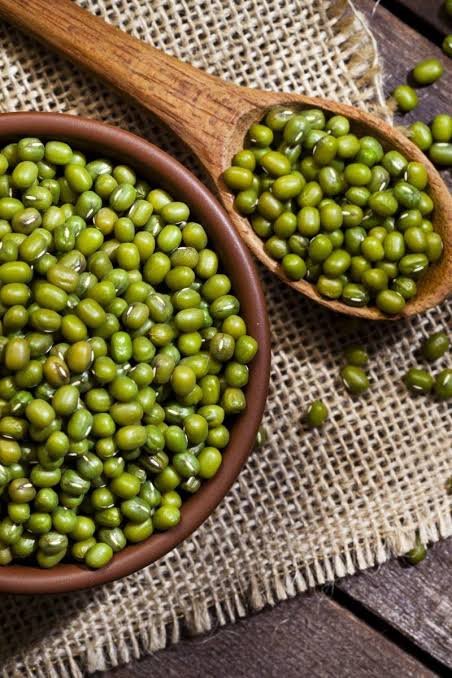
Mung beans are the green seeds of Vigna radiata and are used whole, split, dehulled or for sprouting. Quality discussions may include seed size, colour, germination where intended for sprouting, moisture, purity, admixture, damaged grains, pesticide residue limits and microbiological requirements. Cleaning, grading, bag size and shipment documentation are agreed with the buyer.
Why a clear requirement matters
The product name alone is not enough for a dependable export order. Two buyers may ask for Mung Beans but need different grades, sizes, treatments or packing. One buyer may use it as an ingredient, while another may need it for wholesale distribution or retail packing. A written requirement gives the supplier a clear target and makes samples, testing and quotations easier to compare.
What the buyer should specify
A good enquiry should include the required product form, expected quality, total quantity, preferred bag or pack size, destination country and delivery location. The buyer should add any limits required by local law or by the final customer. If a particular certificate, laboratory test, private label or language is needed, it should be mentioned at the beginning. This reduces changes later in the order.
Lentils and pulses are commonly discussed by type, form, crop, grain size, colour and cleanliness. Whole, split, polished and unpolished material can behave differently in cooking and processing. Buyers should also identify limits for moisture, foreign matter, broken grains and damaged grains. Import permits and treatment rules can differ by country.
Quality checks and samples
A representative sample can help both sides understand appearance, colour, size, aroma and general condition before a commercial shipment. The approved sample should be connected to a written specification. When laboratory tests are required, the test method and acceptable limits should also be agreed. A result can be understood correctly only when both parties use the same method and sampling plan.
Packing and labels
Packing must protect Mung Beans during storage, handling and international transport. The right material depends on product sensitivity, shipment size, route and buyer preference. Bulk bags may suit an ingredient buyer, while smaller packs may suit food service or retail distribution. Labels can include the product name, batch, net weight, origin and other details required by the destination. Final artwork should be approved before printing.
Documents for export
A normal shipment may use a commercial invoice, packing list, transport document and certificate of origin. Other documents depend on the product and importing country. These may include a phytosanitary certificate, fumigation certificate, health certificate, laboratory report or treatment record. The importer should confirm current destination rules before the order is final because regulations can change.
Storage and shipment planning
The goods should be kept in a clean, dry and suitable place before loading. Strong odours, moisture, pests and damaged packaging can affect product condition. Container selection, inner protection, pallet use and loading pattern should match the cargo and route. Ocean freight is often practical for larger orders, while air freight may be considered for samples or urgent smaller quantities.
Building the quotation
A useful quotation for Mung Beans should connect the agreed specification with quantity, packing, price basis, payment terms, delivery term and expected schedule. Any testing or certification included in the price should be clear. Crop availability and freight rates can change, so the validity period also matters. Both parties should review every detail before confirming the order.
How Hemera Prime Export can help
Hemera Prime Export connects international buyers with suitable Indian supply and helps coordinate specifications, supplier communication, quality requirements, packing, documents and shipment planning. Share your requirement for Mung Beans, intended use, quantity and destination. We can then discuss the practical next steps and prepare information for a clear export enquiry.
EXPORT INSIGHTS
Mung Beans: a simple guide for international buyers
Explore our export catalogue
See the products currently available through Hemera Prime Export.
Browse products ↗