Indian spices connect local production and processing with kitchens, wholesalers and food businesses around the world. For an international buyer, however, a successful shipment begins with more than choosing a spice. Product form, quality requirements, packing, destination rules and the agreed delivery terms all need to be understood before an order moves forward.
Hemera Prime Export is a proprietor-led export business based in Gujarat, India. Prithvisinh Babasinh Parmar leads the company. Hemera works with international buyers to discuss Indian product sourcing and coordinate supplier communication, product preparation, packaging, documentation and shipment planning. Each enquiry is assessed against the buyer's requirements and the availability of suitable supply.
Indian spices for different buyer needs
Hemera's catalogue includes turmeric, cumin seeds, dried red chillies, coriander seeds, black pepper, green and black cardamom, fennel, fenugreek, cloves, cinnamon and ginger. These products are used in different ways, so one specification will not suit every buyer. A distributor may need whole spices in bulk packs, while a food manufacturer may need ground material with a defined particle size. Availability and product form should be confirmed for the particular order.
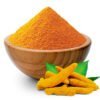
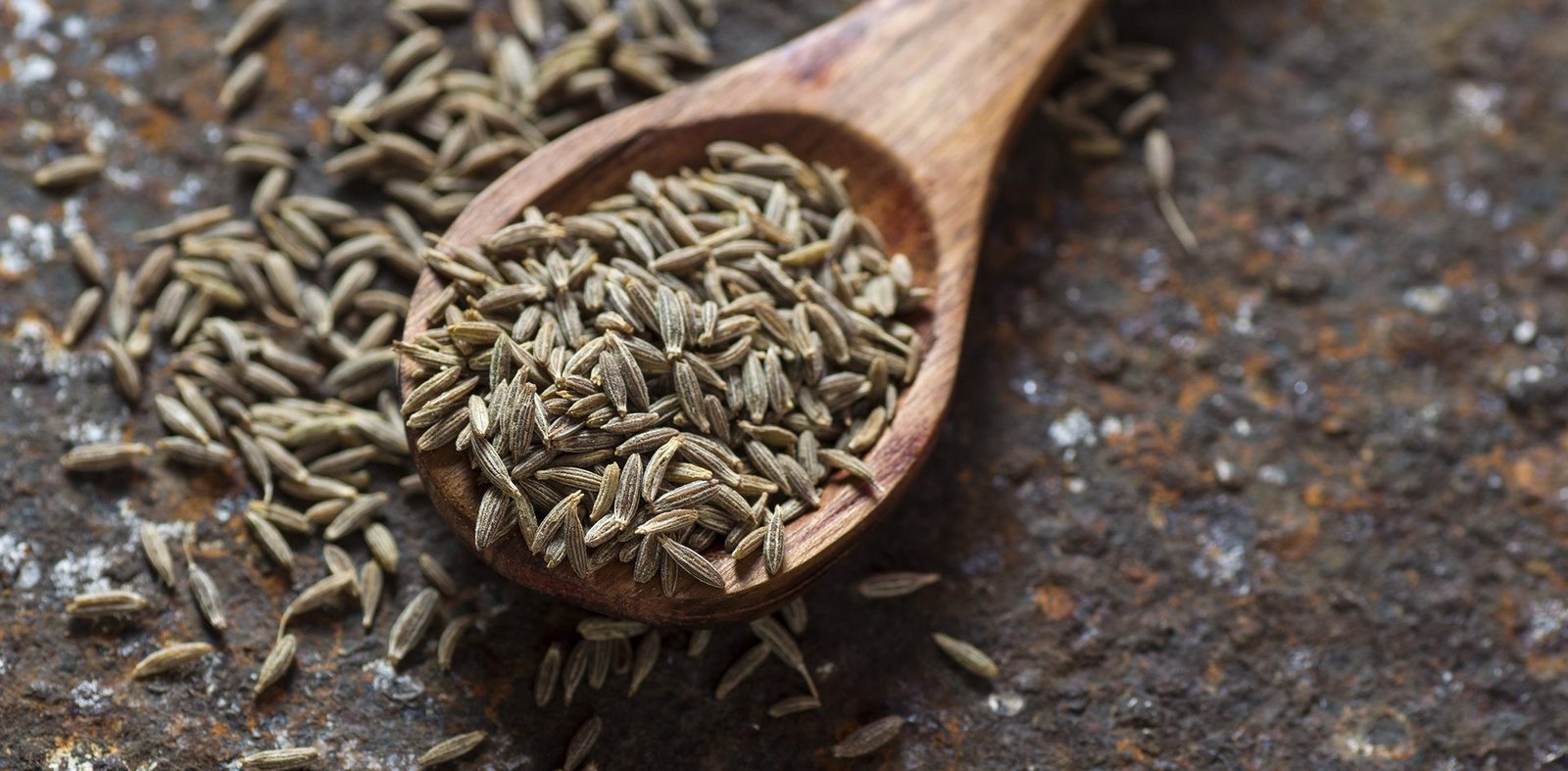
For example, a cumin enquiry may identify cleanliness, moisture, crop and packing preferences. A turmeric buyer may specify whole dried fingers or powder, along with the intended colour, moisture, particle size or curcumin range where relevant. A chilli buyer may ask about whole pods or powder, colour and pungency. Pepper and cardamom buyers may discuss size, appearance, cleanliness and aroma. These are points for discussion, not a promise that every grade or form is currently available.
From local sourcing to an export enquiry
An international buyer can begin by sending the spice name, form, required quantity, destination and intended use. The next step is to discuss specifications with suitable Indian suppliers. A written requirement makes it easier to compare offers and reduces the chance that a grade name means different things to each party.
The origin of agricultural products, the available crop and processing methods can vary. Buyers should ask which details the supplier can confirm for the proposed lot. When a specific origin, crop year or treatment is essential, it should be included in the enquiry and the final agreement rather than assumed from a general description.
Samples and agreed quality checks
A representative sample can help a buyer review appearance, colour and aroma. It should be linked to the written specification and the proposed commercial supply. Ask how the sample is drawn, what it represents, who will assess it and how approval is recorded. A small sample alone cannot establish every food safety parameter for an entire shipment.
Where testing is required, agree the sampling plan, laboratory, method and acceptable limits before confirmation. The Spices Board of India provides quality evaluation services and publishes information about sampling and testing for certain spice exports. Requirements depend on the product and destination and should be checked for the actual consignment. Buyers should also confirm their importing country's current food safety and labelling requirements.
Packing, labels and documentation
Packing should suit the product, route and handling conditions. Discuss bag or carton size, net weight, inner protection, palletisation if needed and batch identification. A buyer needing retail or private-label packaging should share the artwork and label requirements early, including who is responsible for checking and approving them.
Common trade documents can include a commercial invoice, packing list and transport document. A certificate of origin or other product-specific paperwork may be required depending on the buyer, product and destination. The buyer, exporter, carrier and appointed customs representatives should confirm the documents and their responsibilities for each shipment.
Planning an international shipment
Freight choice depends on cargo size, destination, timing and cost. Ocean transport is often considered for larger consignments, while air transport may be discussed for samples or smaller urgent shipments. A useful quotation identifies the delivery term and named place, packing, quantity, included checks, payment terms and validity. It should also make clear which charges and responsibilities sit with each party.
A delivery term does not remove the need to agree on the practical details. The parties should check how the goods will be collected, handled, insured where appropriate, cleared and delivered. The route and schedule are confirmed with the relevant service providers for the order.
Why share a detailed requirement?
A specific enquiry makes conversations more productive. Instead of asking only for a price for a spice, a buyer can describe the required grade and form, target quantity, destination market, packing and any testing or documentation needs. The supplier can then identify what is available, raise questions and provide a more meaningful quotation.
For new sourcing relationships, it is sensible to agree how samples, specifications, inspection, payment and changes to the order will be handled. Neither a product photograph nor a general website description replaces a written commercial agreement.
A useful first message to an exporter might say: we need whole cumin seeds for wholesale distribution, with the required quantity, bag size, destination port and target delivery window. The buyer can add any purity, moisture, residue or testing requirements. For powdered turmeric, the same message could identify the intended application, particle size and any agreed colour or curcumin specification. These examples are enquiry formats, not standard grades or offers.
The answer to an enquiry should identify which details can be confirmed and which need a sample, supplier check or updated freight quotation. Keeping those points in writing helps both sides make decisions without assuming that availability, quality or delivery dates are fixed before an agreement.
Contact Hemera Prime Export
Prithvisinh Parmar and Hemera Prime Export welcome enquiries about Indian spices and other products in the catalogue, including coconut products, lentils and pulses. Visit hemeraprimeexport.com to explore the product range and contact the business. Tell us the product, quantity, destination and preferred packing so we can discuss the next steps for your enquiry.
Reference: Spices Board of India, Quality Evaluation Laboratory. The applicable export and import requirements should be checked for the particular product and destination.
EXPORT INSIGHTS
Indian Spice Exporter: From Local Sourcing to International Buyers | Hemera Prime Export
Explore our export catalogue
See the products currently available through Hemera Prime Export.
Browse products ↗